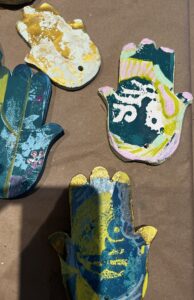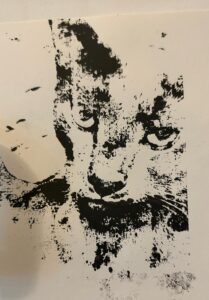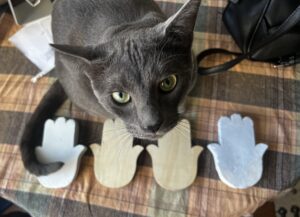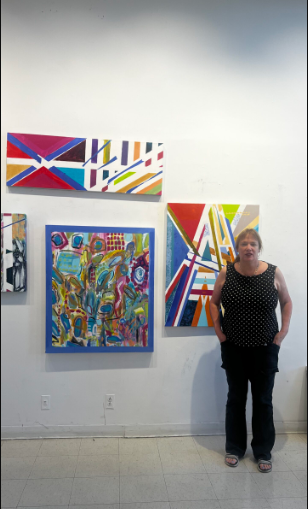
Choosing artwork for your home is easier when the piece has both visual beauty and personal meaning. For many people, Hamsa art offers exactly that combination.
A Hamsa Collection Page can bring together different interpretations of this familiar symbol, making it easier to explore colors, textures, sizes, and artistic styles in one place. Some Hamsa pieces may feel bold and modern, while others may have softer colors, spiritual details, or a more traditional influence.
The Hamsa is commonly associated with protection, blessings, peace, hope, and positive energy. Artists can take these familiar ideas and express them in completely different ways.
This means you can choose a Hamsa because of its symbolism, because you love its design, or because both are important to you.
A carefully chosen piece can become part of your entryway, living room, bedroom, office, or another meaningful area of your home.
What Should You Look for When Exploring a Hamsa Collection?
A Hamsa collection can include many styles, so start by thinking about what you want from the artwork.
Consider:
- Size
- Colors
- Materials
- Texture
- Handmade details
- Overall style
- Symbolic meaning
- Where you will display it
Do not choose only because a design is currently popular.
Think about whether you would still enjoy seeing the piece in your home several years from now.
The best Hamsa for your space should feel connected to both your personal taste and the meaning you want it to carry.
What Is the Meaning Behind the Hamsa Symbol?
The Hamsa has a long cultural history and is recognized in different communities and traditions.
It is commonly connected with ideas such as:
- Protection
- Blessings
- Peace
- Hope
- Strength
- Positive energy
Different people may connect with the symbol in different ways.
For some, it has a strong cultural or spiritual meaning. For others, it may represent family, positivity, or a welcoming home.
This flexibility is one reason the Hamsa continues to appear in modern art and décor.
Why Can the Same Hamsa Symbol Look So Different?
Artists do not need to interpret a symbol in exactly the same way.
One artist may use:
- Bright colors
- Heavy texture
- Abstract backgrounds
- Metallic details
Another may prefer:
- Neutral tones
- Clean lines
- Simple shapes
- Minimal decoration
The basic symbol may remain familiar, but the artist’s style changes how it feels.
This allows Hamsa artwork to work with many different interior styles.
Why Is Handmade Hamsa Art More Personal?
Handmade artwork can show the physical process behind its creation.
When you look closely, you may notice:
- Brush marks
- Raised surfaces
- Layered colors
- Hand-applied materials
- Small natural variations
- Individual finishing
These details make each piece feel less like a standard decorative product.
They show that an artist made choices throughout the creative process.
Can a Hamsa Be One-of-a-Kind Artwork?
Yes.
One of a Kind Artwork can include Hamsa pieces created with individual colors, textures, materials, and artistic details.
Even when an artist returns to the same symbol, each piece can have its own character.
A one-of-a-kind Hamsa may include:
- A unique color combination
- Hand-created texture
- Individual brushwork
- Special materials
- Original decorative details
This can be appealing if you want something that feels personal rather than widely reproduced.
What Makes Authentic Handmade Judaica Different?
Authentic Handmade Judaica brings together cultural meaning and individual craftsmanship.
A handmade Judaica piece may show the artist’s own interpretation of a familiar idea.
Look for:
- Original design
- Visible texture
- Hand-painted details
- Artist information
- Individual finishing
- Clear information about materials
The handmade process can give a traditional symbol a more personal and contemporary character.
How Can Hamsa Art Be Part of Modern Judaica?
Hamsa artwork can work naturally within modern Judaica because the symbol can be interpreted in so many visual styles.
A contemporary Hamsa might use:
- Abstract shapes
- Modern colors
- Metallic accents
- Layered surfaces
- Minimalist details
- Mixed materials
This allows a culturally meaningful symbol to fit naturally into today’s homes.
Tradition remains part of the piece without requiring the overall design to look traditional.
How Does Original Israeli Art Connect With Hamsa Designs?
Original Israeli Art can explore many themes, including identity, family, culture, spirituality, memory, and belonging.
Hamsa artwork can become one way for an artist to explore these ideas.
The symbol may be presented clearly, or it may be combined with:
- Abstract painting
- Texture
- Modern patterns
- Contemporary colors
- Mixed media
This gives the artist freedom to connect cultural ideas with a personal creative style.
Does Hamsa Art Need to Look Traditional?
No.
The meaning of a Hamsa does not depend on using one specific design.
Modern Hamsa art may be:
- Minimalist
- Abstract
- Colorful
- Textured
- Metallic
- Bold
- Simple
This means you can choose artwork that fits your home while still appreciating the symbolism behind it.
Can Hamsa Art Work in a Modern Interior?
Yes.
A Hamsa can work beautifully with modern furniture and simple interiors.
If your room has neutral colors, a colorful Hamsa can become a focal point.
If your home already includes many colors, you might choose a quieter design.
The piece can work with:
- Modern sofas
- Natural wood
- Neutral walls
- Glass furniture
- Contemporary lighting
- Minimalist spaces
You do not need to redesign the room around the artwork.
Can a Hamsa Work in a Minimalist Home?
Absolutely.
Minimalist spaces often give artwork more room to stand out.
Choose a Hamsa with:
- Clean lines
- A limited color palette
- Interesting texture
- A simple composition
Instead of surrounding it with many smaller decorations, give the artwork some open space.
This can make the Hamsa feel more intentional and visually stronger.
Where Is the Best Place to Display Hamsa Art?
There is no single correct location.
Popular places include:
- Entryways
- Living rooms
- Bedrooms
- Dining areas
- Hallways
- Home offices
Think about the size and style of the piece.
A large Hamsa may work as a living room focal point, while a smaller piece may be perfect for an entrance or hallway.
Why Is the Entryway a Popular Place for a Hamsa?
The entryway is the point where people enter and leave the home.
Because the Hamsa is often associated with protection and blessings, many people find the entrance a meaningful place to display it.
You could combine the artwork with:
- A simple console
- A mirror
- Soft lighting
Avoid adding too many decorations around it.
One strong handmade piece may be enough to create a welcoming entrance.
Can Hamsa Art Work in a Living Room?
Yes.
A living room gives you many options for displaying Hamsa artwork.
You might place it:
- Above the sofa
- Above a console
- Beside an abstract painting
- On a feature wall
- Near a reading area
Consider the size of the wall before choosing.
A small piece may look lost on a very large wall, while a larger artwork can become a strong focal point.
Can Hamsa Art Work in a Bedroom?
Yes.
For a bedroom, you may prefer a design with a calmer feeling.
Consider:
- Softer colors
- Gentle texture
- Simple details
- Balanced composition
A bedroom is a personal space, so it can be a natural place for artwork connected with peace, hope, or protection.
How Can Hamsa Art Become Part of Artist-Designed Home Decor?
Artist Designed Home Decor can make a room feel more personal than using only mass-produced decorative items.
A handmade Hamsa can become the starting point for the room.
You might connect other elements through:
- Similar colors
- Shared materials
- Metallic details
- Natural textures
Do not try to make everything match perfectly.
A few subtle connections can create a more natural look.
How Can You Mix Hamsa Art With Other Wall Art?
Hamsa artwork does not need to be displayed alone.
It can work alongside:
- Abstract paintings
- Contemporary Jewish art
- Spiritual artwork
- Textured wall pieces
- Other handmade art
Look for a visual connection.
Two pieces might share a color or similar texture even if their subjects are completely different.
This can make a collection feel connected without looking like a matching set.
Can Hamsa Art Work With Abstract Paintings?
Yes.
Hamsa art and abstract paintings can create an interesting combination.
For example, a Hamsa may have clear symbolic meaning while an abstract painting brings movement, color, and open interpretation.
People exploring Original Abstract Paintings for Sale may find pieces that complement a Hamsa through similar colors or textures.
The artwork does not need to be identical in style.
How Can Contemporary Jewish Artwork Work With a Hamsa Collection?
Contemporary Jewish Artwork can include traditional ideas expressed through modern artistic styles.
This makes it easy to combine with Hamsa art.
You might display:
- A Hamsa in the entryway
- Contemporary Jewish artwork in the living room
- An abstract painting in the dining area
The pieces can share a cultural connection without looking the same.
Can Hamsa Art Be Part of Luxury Judaica Decor?
Yes.
Luxury Judaica Decor can include Hamsa artwork made with careful attention to materials, texture, design, and finishing.
A luxurious Hamsa may include:
- Rich surface details
- Metallic accents
- Layered materials
- Hand finishing
- Original design
Luxury does not always mean highly decorative.
A simple piece can feel refined when the craftsmanship and materials are carefully considered.
How Can Handmade Spiritual Art Include the Hamsa?
Handmade Spiritual Art may use symbols, colors, or abstract ideas connected with peace, protection, gratitude, hope, or reflection.
The Hamsa fits naturally within this kind of artwork.
An artist may create a clear symbolic design or combine the Hamsa with more abstract elements.
This allows the piece to carry meaning while still feeling artistic.
Can Hamsa Art Be Meaningful Without Being Religious?
Yes.
People can connect with Hamsa art in different ways.
For one person, the symbol may have a strong cultural or spiritual connection.
For another, it may represent:
- Protection
- Positivity
- Family
- Hope
- Peace
- A welcoming home
Art can have different meanings for different viewers.
You do not need to have exactly the same interpretation as someone else to appreciate the piece.
How Do You Choose the Right Hamsa Color?
Think about both your room and your personal preferences.
Ask yourself:
- Do I want the artwork to stand out?
- Does the room need more color?
- Do I prefer warm or cool tones?
- Would metallic details work with my space?
- Do I want a calm or energetic feeling?
Do not choose only according to current decorating trends.
Pick colors you genuinely enjoy.
How Do You Choose the Right Hamsa Size?
Measure your wall first.
Consider:
- Wall width
- Wall height
- Furniture below the piece
- Viewing distance
- Open space around it
A smaller Hamsa may be ideal for an entryway or hallway.
A larger piece can work well above a sofa or console.
Always check the exact measurements when shopping online.
Why Is Texture Important in Hamsa Artwork?
Texture can give a Hamsa more visual depth.
Raised surfaces interact with light differently throughout the day.
You may notice:
- Small shadows
- Layered colors
- Metallic reflections
- Hand-applied details
From across the room, you see the overall design.
When you move closer, the handmade details become easier to appreciate.
How Does Lighting Change the Appearance of Hamsa Art?
Natural and artificial light can change how colors and textures appear.
Soft daylight may show subtle color differences.
Directional evening lighting may make textured areas more visible.
Metallic details may reflect light differently as you move around the room.
Avoid prolonged strong direct sunlight on original handmade artwork.
How Can You Tell if a Hamsa Is Handmade?
Look closely at the artwork and description.
Possible signs include:
- Brush marks
- Raised texture
- Hand-painted details
- Layered materials
- Natural variations
- Artist signatures
Also look for information about the artist and creative process.
Clear details about how a piece was made can help you understand what you are buying.
What Should You Check When Buying Hamsa Art Online?
Before ordering, review:
- Exact dimensions
- Materials
- Artist information
- Close-up photographs
- Colors
- Texture
- Hanging information
- Shipping details
Do not rely only on styled room photographs.
Measure your actual wall and compare it with the listed dimensions.
Is Hamsa Art a Good Housewarming Gift?
Yes.
The symbolism commonly connected with Hamsa art can make it especially suitable for a new home.
A Hamsa may represent:
- Protection
- Blessings
- Peace
- Happiness
- Hope
- Positive energy
A handmade piece can also remain in the home for many years and become connected with memories created there.
Can Hamsa Art Be a Wedding Gift?
Yes.
Hamsa artwork can be a thoughtful wedding gift because it can represent blessings, protection, love, family, and hope for a new life together.
Before choosing, consider:
- The couple’s style
- Favorite colors
- Available wall space
- Whether they prefer modern or traditional art
A smaller or medium piece may be easier to display if you are unsure about their home.
Can a Hamsa Become a Family Keepsake?
Yes.
A Hamsa may become connected to an important event such as:
- A wedding
- A new home
- An anniversary
- A family celebration
- A personal milestone
As years pass, the memories connected with the artwork can add another layer of meaning.
With good care, a handmade piece can remain part of a family home for many years.
Is a Hamsa Collection Worth Building Over Time?
Yes, if the pieces have personal meaning to you.
You do not need to buy several Hamsas at once.
Start with one.
Over time, you may discover that you enjoy different:
- Artists
- Colors
- Materials
- Textures
- Styles
Your collection can grow naturally.
You might also combine Hamsa art with abstract paintings, Judaica, and other original pieces rather than collecting only one type of artwork.
Should You Buy Hamsa Art as a Financial Investment?
It is better to choose artwork because you appreciate the piece rather than assuming its financial value will increase.
Original artwork can have many forms of value:
- Artistic value
- Personal meaning
- Cultural connection
- Decorative value
- Family memories
Future resale prices can be uncertain.
Choose pieces you would be happy to keep and enjoy.
How Should You Care for Handmade Hamsa Art?
Care depends on the materials used.
In general:
- Avoid prolonged strong direct sunlight.
- Keep artwork away from excessive moisture.
- Dust gently.
- Avoid harsh household cleaners.
- Handle textured areas carefully.
- Use secure hanging hardware.
Follow any specific care instructions provided by the artist.
Why Should You Explore a Hamsa Collection Page Before Choosing?
A Hamsa Collection Page can help you compare different ways one meaningful symbol can be transformed through art.
You may find a colorful piece that becomes the main feature of your living room. You may prefer a smaller Hamsa for your entrance. Or you may connect with a textured, handmade design because of its cultural or spiritual meaning.
Do not rush your choice.
Look closely at the colors, size, materials, texture, and artist-made details. Think about where you will display the artwork and what the symbol means to you.
Most importantly, choose a piece that you genuinely enjoy.
A Hamsa can begin as a beautiful piece of art, but as it becomes part of your home and the memories created there, it can take on a much more personal meaning.
What Are Some Common Questions About a Hamsa Collection?
What is a Hamsa collection?
A Hamsa collection brings together different artistic interpretations of the Hamsa symbol, including handmade, modern, textured, spiritual, and Judaica-inspired designs.
What does the Hamsa symbolize?
The Hamsa is commonly associated with protection, blessings, peace, hope, strength, and positive energy.
Does Hamsa art need to look traditional?
No. Hamsa artwork can be modern, abstract, minimalist, colorful, textured, or influenced by contemporary interior design.
Where can I display a Hamsa in my home?
Popular locations include the entryway, living room, bedroom, dining area, hallway, and home office.
Can a Hamsa work in a modern home?
Yes. Contemporary Hamsa designs can work naturally with modern furniture, minimalist spaces, neutral interiors, and mixed decorating styles.
Is handmade Hamsa art a good gift?
Yes. It can be meaningful for weddings, housewarmings, anniversaries, holidays, and other personal occasions.
Can Hamsa art be displayed with abstract paintings?
Yes. Hamsa art and abstract paintings can work together through shared colors, textures, materials, or an overall mood.
How can I tell if Hamsa art is handmade?
Look for visible brushwork, texture, hand-applied details, natural variations, artist information, and a description of how the piece was created.
How do I choose the right Hamsa for my home?
Consider the size, colors, materials, texture, style, symbolism, available wall space, and your personal connection with the artwork.
Can a Hamsa become a family keepsake?
Yes. A handmade Hamsa connected to a wedding, housewarming, anniversary, or family milestone can become more meaningful as memories build around it.