
Architecture shapes how people move through a space. Interior design makes that space comfortable and useful. Art adds another layer, giving rooms a personal connection beyond their layout and finishes. Choosing Artwork for architects and interior designers starts with understanding the people who will live with it. Their preferences, cultural connections, and daily routines should influence the selection as much as the wall dimensions.
A painting or handmade object deserves careful consideration early in a project. When you plan its location, lighting, and relationship with surrounding materials, the finished space feels more thoughtful. Every piece has somewhere to belong.
Why Should Art Be Part of the Initial Design Brief?
Ask about artwork during your first conversations with a client. Find out what they already own, what they enjoy, and whether any pieces need a prominent place in the new design.
Researching a Female Artist NYC introduces individual perspectives and creative approaches worth considering. Review the artist’s portfolio, background, and materials before deciding which works suit the project.
Include an art allowance in the budget. Account for framing, delivery, and installation alongside the purchase price. Early planning gives clients more choice and reduces hurried decisions near completion.
How Do You Understand the Meaning Behind Cultural Artwork?
Cultural artwork should begin with a conversation rather than an assumption. Ask clients which traditions matter to them and how they want those connections expressed at home.
When exploring the work of a Contemporary Judaica Artist, look at individual pieces and their intended meanings. Ask the maker about unfamiliar symbols or materials instead of assigning your own explanation.
Some clients prefer a prominent display. Others want a quieter connection within a personal room. Let their preferences guide the arrangement, and distinguish decorative pieces from objects intended for religious use.
How Do You Integrate Meaningful Objects Into a Modern Interior?
Simple interiors offer space for objects with personal significance. The challenge is creating a relationship between the object, nearby furniture, and the architecture.
Consider Modern Judaica Decor through the same design principles you apply elsewhere. Compare proportions, surface finishes, colors, and visual weight. A handmade piece might sit comfortably beside natural wood, painted cabinetry, or a restrained stone surface.
Avoid repeating every color throughout the room. One shared tone or material relationship often provides enough connection. Leave space around the object so its details remain visible.
Where Might a Hamsa Fit Within a Design Scheme?
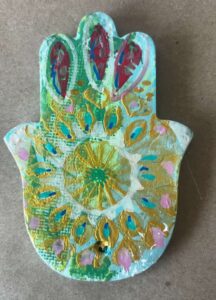
A hamsa is a hand-shaped symbol with significance across several cultural traditions. Its personal meaning and preferred placement should come from the owner.
Reviewing the Hamsa Collection Page offers a starting point for discussing available designs. Compare the actual dimensions with the intended wall or display area before selecting a piece.
An entrance, reading corner, or personal workspace might provide a suitable setting, depending on the client’s wishes. Check sightlines and nearby objects. A small work often benefits from an intimate location where people will notice its surface and detail.
What Should You Clarify Before Requesting a Custom Piece?
Custom work requires a clear brief. Share the proposed location, measurements, surrounding colors, budget, and desired completion date before discussing design possibilities.
For Custom Hamsa Orders, ask which options the artist currently offers. Confirm materials, dimensions, finishes, personalization, and the approval process directly. Do not assume every detail is adjustable.
Agree on the scope in writing, including payment terms and delivery arrangements. Explain handmade variation to your client so expectations remain realistic. Allow enough time for making, finishing, packing, and installation before setting a final project deadline.
How Do You Choose Art as a Wedding Gift?
A thoughtful wedding gift considers both recipients. Start with their shared preferences, the space they have, and whether they would welcome a cultural or religious object.
When browsing Wedding Judaica Gifts, distinguish pieces intended for display from those made for ceremonial use. Verify suitability with the maker when the purpose matters.
Smaller works are often easier to accommodate when the couple’s future home is unknown. Ask about gift packaging, delivery, and exchange terms. Include information about the artist and care instructions so the recipients understand the piece.
What Makes Artwork a Considerate Housewarming Gift?
Moving into a new home involves many decisions. A gift should fit the recipient’s life without creating pressure to display something in a particular place.
Explore Jewish Housewarming Gifts with the homeowner’s preferences in mind. Consider their available space, existing collection, and relationship with the object’s meaning.
If you are uncertain, let the recipient help choose. For designers arranging a completion gift, a small piece related to the client’s interests often feels more personal than an object selected solely to match the finished room.
How Do You Plan Wall Decor Around Architectural Features?
Read the wall before selecting the work. Note door openings, windows, switches, paneling, shelving, and changes in surface material.
When considering Handmade Wall Decor NYC, test the proposed dimensions with a paper template. View it from the entrance, nearby seating, and adjoining spaces. This reveals placement problems a close-up photograph will not show.
Confirm the piece’s weight and hanging requirements before installation. Choose fixings suited to the wall construction. For heavier or delicate works, arrange an installer with appropriate experience and provide the maker’s handling instructions.
What Should Designers Ask Before Visiting an Artist’s Studio?
Seeing artwork in person helps you assess scale, finish, and details that photographs sometimes miss. Prepare a shortlist and bring accurate project measurements.
Before planning an Artist Studio NYC visit, confirm whether appointments are available and which pieces you would like to see. Ask about access and photography permission.
Use the visit to discuss availability, care, delivery, and documentation. Photograph shortlisted works only with permission, then review them against the client’s brief.
How Do You Keep Personal Meaning at the Center of Selection?
A successful choice respects the owner’s interpretation and daily experience. Ask whether they would enjoy the piece beyond the current design scheme.
Browsing a Spiritual Gifts Collection should open a conversation about personal significance. Confirm the meaning of individual objects without promising particular effects or experiences.
Return to the practical details before purchase. Check dimensions, condition, complete costs, and delivery arrangements. Thoughtful selection combines emotional connection with a clear plan for living with the work.
What Questions Do Clients Commonly Ask About Choosing Artwork?
Should Artwork Match the Interior Exactly?
No. A shared color, related shape, or considered contrast often creates enough connection. The client’s response should remain central to the decision.
When Should You Start Selecting Art?
Begin during design planning. Reserve wall space, discuss budget, and identify existing pieces before finalizing furniture layouts and lighting positions.
How Do You Confirm Whether a Piece Fits?
Check its full dimensions, including framing. Mark the size on the wall and assess it from the room’s main viewing positions.
What Should You Ask Before Ordering Handmade Work?
Confirm materials, dimensions, availability, care requirements, costs, delivery terms, and hanging arrangements. Request detail photographs when purchasing without viewing in person.
Where Should You Begin Exploring Available Pieces?
Explore Irit Arts, create a focused shortlist, and contact the artist with your project requirements. Confirm current availability before presenting a final choice.