

The painting you remember is not always the largest or brightest one. Sometimes a small detail holds your attention: a broken line, an unexpected color, or an open area that gives the composition room to breathe. Exploring the work of an NYC abstract artist begins with noticing those responses. You do not need to explain everything immediately. Start with what makes you want to look again.
At Irit Arts, you have an opportunity to explore paintings alongside handmade decorative pieces. Choosing between them involves personal taste, thoughtful questions, and a clear understanding of where the work will belong.
How Should You Begin Looking at an Abstract Painting?
Look before reading. Give the painting a few moments without checking its title, dimensions, or description. Notice where your eye moves and whether the composition feels spacious, concentrated, quiet, or active.
When browsing Original Abstract Paintings for Sale, compare a few works slowly. Identify specific details you enjoy rather than deciding whether you “understand” them.
Then read the artist’s description. It adds another perspective without replacing your own. A painting might remain interesting precisely because you notice different things each time you return.
What Does Handmade Work Reveal Beyond the Image?
A screen compresses an artwork into a flat photograph. The physical piece includes edges, surface changes, thickness, and marks that deserve closer attention.
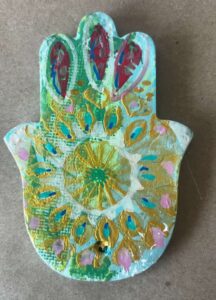
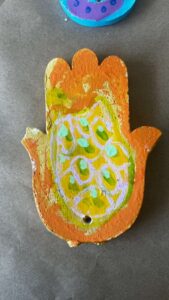
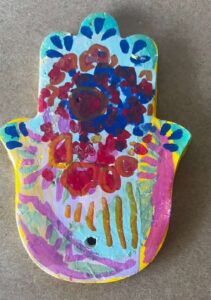
When reviewing pieces described as Handmade by Artist, ask about materials and process. Find out which elements are individually made and how the finished surface should be handled.
Request close-up photographs and angled views when shopping remotely. These help you judge details that a straight photograph misses. Understanding the object itself makes the purchase more informed and helps you prepare a suitable display.
How Do You Recognize a Painting With Personal Appeal?
Save a small selection, then step away. When you return, notice which work you remember and which details remain interesting.
Choosing one of a kind artwork should involve more than matching a sofa or filling an empty wall. Consider whether you would still enjoy it after changing furniture, moving home, or repainting the room.
Personal appeal does not require a dramatic reaction. Sometimes it develops through repeated looking. Give yourself enough time to separate lasting interest from the excitement of finding something new.
How Much Should an Artist’s Background Influence Your Choice?
An artist’s biography provides context, but it should not become a shortcut for interpreting every work. Begin with the individual piece and build your understanding from there.
When exploring Original Israeli Art, look for the artist’s own explanation of their interests and experiences. Avoid assuming a particular palette, subject, or meaning based on background alone.
Read the statement, study several works, and ask focused questions. Learning about recurring materials or shapes often tells you more than trying to find a single message behind the entire collection.
What Should You Know Before Choosing Judaica?
Purpose matters. Before purchasing, establish whether the object is decorative, symbolic, or intended for a specific religious practice.
Exploring Authentic Handmade Judaica calls for questions about the individual piece. Ask who made it, which materials were used, and how it is intended to be displayed or used.
If ceremonial suitability matters, confirm that directly with an appropriate source. For a gift, ask about the recipient’s preferences. A thoughtful choice respects their traditions rather than assuming every cultural object will suit every household.
What Details Matter When Comparing Handmade Pieces?
Look beyond the overall shape. Examine painted edges, joins, surface finish, proportions, and the consistency of decorative details.
When considering Luxury Handmade Judaica, ask what distinguishes the particular object. Materials, individual workmanship, and finishing deserve clearer attention than a descriptive label.
Check exact dimensions and request additional photographs if needed. Confirm care instructions, delivery costs, and the seller’s terms before ordering. These practical details help you compare pieces fairly while leaving room for the personal response that first attracted you.
How Do Paintings and Decorative Objects Work Together?
A room does not need every object to repeat the same colors. Relationships through scale, texture, or shape often feel more natural.
Exploring Artist Designed Home Decor offers ways to complement a painting without copying it. A small sculptural form might relate to a curved mark, while a restrained object gives a colorful canvas more space.
Begin with fewer pieces. Place them, step back, and assess the arrangement from normal viewing positions. Remove anything that distracts from the work you most want to notice.
How Do You Choose Art With Spiritual Significance?
Start with your relationship to the object and its meaning. Ask the maker about unfamiliar imagery rather than relying on appearance or a broad product category.
When choosing Handmade Spiritual Art, distinguish the artist’s explanation from your interpretation. Different people might value the same piece for different reasons.
Think about where you would enjoy seeing it. A personal workspace, entrance, or reading area offers a different setting. Choose a location that respects the work’s meaning and accommodates its practical display requirements.
How Do You Give Smaller Objects Enough Presence?
Small works often reward close viewing. A distant wall or crowded cabinet might hide details that become appealing at arm’s length.
For Luxury Judaica Decor, consider a shelf, console, or dedicated wall position where the object remains visible. Confirm whether it needs hanging hardware, a stand, or another support.
Leave enough surrounding space to distinguish its outline. Check stability and access for cleaning. A clear arrangement helps the piece remain part of everyday life without competing with frequently used household items.
How Do You Make the Final Decision With Confidence?
Return to your original response, then check the facts. Does the work still hold your attention, and will it fit the intended setting?
When reviewing Contemporary Jewish Artwork, consider the specific piece, its context, and any personal connection important to you. Compare its dimensions with a paper template in your room.
Before payment, confirm availability, condition, total cost, delivery, and return terms. Keep the receipt and artwork details together. A clear purchase process lets you focus on enjoying the piece once it arrives.
What Questions Do First-Time Art Buyers Often Ask?
Do You Need Art Knowledge to Buy an Original Painting?
No. Start with visual interest and ask questions. Learning about the artist and materials helps, but specialist vocabulary is unnecessary.
How Do You Check Whether a Painting Will Fit?
Mark its full dimensions on your wall with paper. Include the frame and review the outline beside nearby furniture.
Should You Choose the Frame Before Buying?
Ask the artist about presentation first. Some works suit an unframed display, while others need a frame chosen for their construction.
What Should You Ask When Buying Art Online?
Request clear photographs, dimensions, materials, condition details, delivery arrangements, and care instructions. Confirm the complete price and purchase terms.
Where Should You Begin Exploring Irit’s Work?
Browse Irit Arts, save a focused shortlist, and contact the artist about the pieces that interest you before making your decision.