

Your living room is probably one of the most used spaces in your home. It is where you relax after a long day, spend time with family, welcome friends, and enjoy quiet moments. Because of this, the way you decorate the room can make a real difference.
You may have a beautiful sofa, comfortable chairs, attractive lighting, and a nice rug, but an empty wall can still make the room feel unfinished.
That is where artwork can help.
Choosing Abstract wall art for living rooms gives you an opportunity to introduce color, texture, movement, and personality without changing your furniture or completely redesigning the space.
Abstract artwork does not need to show a recognizable person, landscape, or object. Instead, it may communicate through shapes, colors, brush marks, and layered surfaces.
Some paintings feel energetic and colorful. Others are quiet, balanced, and peaceful.
The right artwork can make your living room feel more welcoming while reflecting your personal taste.
You do not need to be an art expert to make a good choice. You simply need to understand your space and find a painting you genuinely enjoy.
What Should You Consider When Choosing Abstract Wall Art for a Living Room?
Before buying artwork, look carefully at your living room.
Consider the wall where you want to display the painting, the furniture around it, and the overall atmosphere you want to create.
A few important things to think about include:
- Wall dimensions
- Sofa and furniture size
- Painting colors
- Artwork texture
- Room lighting
- Viewing distance
- Available wall space
- Your personal decorating style
Do not choose a painting only because its colors match your cushions.
Furniture and interior trends can change, but original artwork may remain part of your home for many years.
Why Is Abstract Wall Art a Good Choice for Living Rooms?
Abstract artwork can bring personality into a living room without requiring a complete decorating makeover.
A painting can:
- Create a focal point
- Add warmth to neutral walls
- Introduce color
- Connect different furniture pieces
- Bring movement into the space
- Make the room feel more personal
Unlike artwork with a very specific subject, abstract paintings allow viewers to create their own interpretations.
This can make them interesting to look at over time.
How Do You Choose the Right Size Abstract Painting Above a Sofa?
Start by measuring your sofa and the wall above it.
As a general decorating guideline, artwork measuring approximately two-thirds to three-quarters of the sofa’s width can create a balanced appearance.
For example, if your sofa is 90 inches wide, artwork around 60–68 inches wide may be a useful starting point.
This is not a strict rule.
You should also consider the ceiling height, surrounding furniture, and available wall space.
Before buying, use painter’s tape to mark the painting’s dimensions on the wall.
This simple step can help you imagine how the artwork will look.
Should You Choose One Large Painting or Several Smaller Pieces?
Both options can look beautiful.
One large painting creates a strong focal point and often makes the room feel less cluttered.
Several smaller paintings can create a gallery wall with different colors, styles, and personal memories.
Choose one large piece if you prefer:
- A simple wall arrangement
- A strong visual statement
- Fewer decorative objects
- A clean contemporary look
Choose smaller pieces if you enjoy mixing artwork and creating your own arrangement.
Why Are Original Abstract Paintings Better for a Personal Living Room?
Original paintings contain the actual surface created by the artist.
Depending on the materials, you may notice brush marks, layered colors, texture, and individual details.
If you are comparing original artwork with prints, our guide to Original abstract paintings for sale explains what makes original paintings different.
Prints can be attractive, but original artwork offers a direct connection with the artist’s creative process.
This can make your living room feel more individual.
How Do Contemporary Abstract Paintings Fit Modern Living Rooms?
Contemporary abstract paintings can work naturally with modern sofas, clean furniture lines, and open living spaces.
Some paintings use geometric forms and strong contrasts.
Others feature organic shapes, layered colors, or gentle movement.
If you want to compare different styles, explore our guide to Contemporary abstract paintings for sale.
Choose artwork that feels comfortable in your room rather than simply following the latest decorating trend.
Why Are Original Acrylic Paintings Popular for Living Room Walls?
Acrylic paint gives artists many creative possibilities.
It can be used to create:
- Bold colors
- Soft blends
- Raised texture
- Expressive brush marks
- Thin layers
- Abstract shapes
- Strong contrasts
This flexibility makes acrylic paintings suitable for different living room styles.
Our guide to Original acrylic paintings for sale explains how to consider the materials, colors, and surface details before buying.
Can Abstract Acrylic Paintings on Canvas Work Above a Sofa?
Yes.
Canvas artwork can look beautiful above a sofa, console, or another important piece of furniture.
Acrylic paintings on canvas can include rich colors, visible brushwork, and layered surfaces.
If you are considering this style, read our guide to Abstract acrylic paintings on canvas.
Before buying, check the canvas dimensions, framing, and hanging requirements.
The painting should feel balanced with the furniture below it.
Can Colorful Abstract Wall Art Make a Living Room More Inviting?
Absolutely.
A colorful painting can bring warmth and energy into a room with neutral furniture.
You might choose artwork with:
- Bright blues
- Warm reds
- Rich greens
- Soft pinks
- Golden accents
- Contrasting neutral shades
Our guide to Colorful abstract paintings for sale explains how to introduce color without making the room feel too busy.
You do not need to match every color perfectly.
One or two visual connections can be enough.
How Does Texture Make Abstract Wall Art More Interesting?
Texture gives artwork depth.
Depending on the artist’s technique, you may notice:
- Raised paint
- Brush marks
- Layered surfaces
- Small shadows
- Hand-applied details
These features can make a painting look different as the lighting changes.
From across the room, you may notice the overall colors and composition.
When you move closer, smaller details become visible.
This can make original artwork interesting from different viewing distances.
Can Abstract Wall Art Work in a Minimalist Living Room?
Yes.
Minimalist living rooms often have clean lines, simple furniture, and carefully chosen decorations.
Abstract art can introduce personality without creating clutter.
You might choose:
- A painting with a limited color palette
- Neutral artwork with texture
- Simple geometric shapes
- One bold statement piece
One carefully chosen painting may be enough to make the room feel complete.
Can Abstract Paintings Work in Small Living Rooms?
Absolutely.
You do not need a large room to enjoy abstract art.
For smaller spaces, consider:
- One medium painting above the sofa
- A vertical piece on a narrow wall
- A smaller artwork above a console
- One statement painting on an open wall
Avoid filling every empty space.
Leaving open wall areas can help the room feel more comfortable and balanced.
Should Abstract Wall Art Match Your Sofa and Curtains?
No.
Artwork does not need to match every color in the room.
Instead, look for a connection.
A painting may include a blue shade that works with your cushions or a warm tone that complements wooden furniture.
Contrast can also look beautiful.
A colorful abstract painting may bring energy to a living room with cream, white, gray, or beige furniture.
The goal is balance rather than perfect matching.
How Do You Choose Abstract Art Based on Your Living Room Colors?
Look at the colors already in the space.
Ask yourself:
- Does the room need more warmth?
- Would stronger colors make it more interesting?
- Do I prefer a peaceful atmosphere?
- Should the artwork stand out?
- Would neutral artwork create better balance?
There is no single correct answer.
Your personal response matters more than following strict decorating rules.
How Can Artist Designed Home Decor Improve a Living Room?
Artist Designed Home Decor can help create a room that feels personal rather than mass-produced.
You might combine original abstract paintings with:
- Handmade decorative objects
- Natural wood
- Textured fabrics
- Simple furniture
- Original sculptures
- Carefully chosen lighting
The pieces do not need to match exactly.
A shared color, material, or overall feeling can help different objects work together.
Can Abstract Wall Art Bring Spiritual Meaning Into a Living Room?
Yes.
Abstract artwork can create thoughtful feelings without using recognizable religious symbols.
Colors, movement, and texture may suggest:
- Peace
- Hope
- Reflection
- Strength
- Renewal
- Connection
Handmade Spiritual Art can work naturally alongside abstract paintings because both may encourage personal interpretation.
The meaning can be different for every viewer.
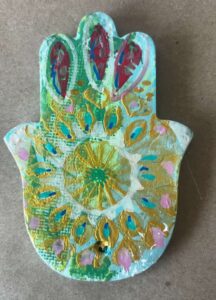
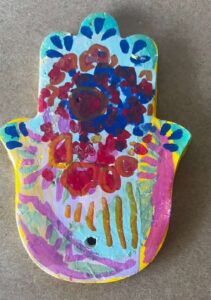
Can Abstract Paintings Work With Luxury Judaica Decor?
Absolutely.
Luxury Judaica Decor can include meaningful symbols, carefully finished surfaces, and handmade details.
These elements can work beautifully with abstract wall art.
For example, a painting with warm colors and metallic details may complement a Judaica piece with similar features.
The artwork does not need to look identical.
A small visual connection can help create balance.
How Does Contemporary Jewish Artwork Fit Into Living Room Design?
Contemporary Jewish Artwork may explore culture, family, identity, memory, and spirituality through modern artistic techniques.
Some pieces use recognizable symbols.
Others communicate through color, texture, shapes, and abstract composition.
This makes contemporary Jewish artwork suitable for living rooms that also display original abstract paintings.
Why Does the Artist Behind an Abstract Painting Matter?
Learning about the artist can make the artwork more interesting.
You may discover:
- What inspires their work
- Which materials they prefer
- How their style developed
- Why certain themes appear
- What experiences influence their paintings
You do not need to know everything about the artist to enjoy a piece.
But understanding the creative process can help you appreciate the artwork more deeply.
How Does Irit Blumenthal’s Abstract Art Work in Living Rooms?
New York-based artist Irit Blumenthal creates abstract paintings that explore color, memory, movement, and architecture.
Her work primarily uses acrylic paint and combines structured forms with spontaneous marks and layered colors.
This approach can make her paintings suitable for living rooms that need both visual energy and balance.
Her artwork invites viewers to discover different details and develop their own interpretations.
How Can Architecture Inspire Abstract Living Room Art?
Architecture can influence how artists organize shapes, lines, and space.
An artist may use:
- Geometric forms
- Repeating patterns
- Structural lines
- Balanced compositions
- Contrasting shapes
- Layered arrangements
These elements can create a connection between the painting and the surrounding room.
In modern living rooms, architecture-inspired artwork may work especially well with clean furniture lines and contemporary interiors.
Where Can You Find Original Abstract Wall Art for Living Rooms?
You can explore original artwork through artist websites, galleries, studios, and exhibitions.
Buying directly from an artist may help you learn more about the materials, dimensions, and creative process.
You can also browse Original Abstract Paintings for Sale to explore artwork that may suit your living room.
Before buying, confirm the painting’s availability, exact dimensions, and originality.
What Should You Check Before Buying Living Room Wall Art Online?
Before ordering, review:
- Artist information
- Exact dimensions
- Materials
- Full artwork photographs
- Close-up images
- Originality details
- Framing
- Hanging requirements
- Shipping information
- Return policy
Online photographs can make artwork appear larger or smaller than it really is.
Always use the actual dimensions when deciding whether a painting will fit your wall.
How High Should You Hang Abstract Art Above a Sofa?
A common starting point is to leave approximately 6–10 inches between the top of the sofa and the bottom of the artwork.
This helps the painting feel connected to the furniture.
However, the ideal height depends on the painting’s size, ceiling height, and room layout.
Before drilling, mark the position and step back to see how it looks.
Use suitable hanging hardware for the artwork’s weight.
Should You Frame Abstract Wall Art for a Living Room?
That depends on the artwork.
Some canvases look beautiful without additional framing.
Others benefit from a simple frame that complements the room.
Before deciding, check whether the canvas edges are finished and whether the artwork is ready to hang.
A frame can also change the overall dimensions of the piece.
How Does Lighting Affect Abstract Wall Art in Living Rooms?
Lighting can change the way colors and textures appear.
Natural daylight may reveal subtle color differences.
Soft indoor lighting may highlight raised surfaces.
Metallic details can reflect light from different angles.
Avoid prolonged strong direct sunlight on original paintings.
Good lighting should help you enjoy the artwork without creating harsh glare.
Can Abstract Art Work Above a Fireplace?
It can, but the location needs careful consideration.
Heat, smoke, and changing temperatures may damage original artwork.
Before hanging a painting above a fireplace, consider how much heat reaches the wall when the fireplace is in use.
If the area becomes hot, choose another location.
Protecting the artwork is more important than following a decorating trend.
Can Abstract Wall Art Make an Open-Plan Living Room Feel Connected?
Yes.
In an open-plan home, the living room may connect directly with a dining area or kitchen.
A painting can help bring the different spaces together.
For example, you might choose artwork containing colors that also appear in dining chairs, cushions, or decorative objects.
The colors do not need to match perfectly.
Small connections can help the entire space feel more balanced.
How Do You Create a Gallery Wall With Abstract Paintings?
Start with one main artwork.
Then add smaller pieces gradually.
You might include:
- Abstract paintings
- Contemporary Jewish artwork
- Handmade spiritual pieces
- Personal photographs
- Smaller original artworks
Pay attention to spacing and overall balance.
You can also repeat one or two colors across the arrangement.
Do not rush to fill every empty space.
Can Abstract Wall Art Make a Living Room Feel More Expensive?
Original artwork can make a living room feel more carefully designed and individual.
A well-chosen painting can create a strong focal point and reduce the need for many decorative accessories.
However, you do not need to choose the most expensive artwork to create a beautiful room.
The right size, placement, colors, and personal connection matter more than price alone.
Can Abstract Wall Art Make a Good Housewarming Gift?
Yes.
Original artwork can be a thoughtful gift for someone moving into a new home.
It can help make the living room feel personal and welcoming.
Before choosing, consider the person’s decorating style, favorite colors, and available wall space.
If you are unsure, a smaller or medium piece may be easier for them to display.
Can Original Abstract Art Become a Family Keepsake?
Absolutely.
Artwork can become connected with important life moments.
A painting may be purchased when:
- Moving into a new home
- Getting married
- Celebrating an anniversary
- Starting a family
- Decorating a long-term home
Years later, the artwork may remind you of those experiences.
That personal history can make the piece increasingly meaningful.
Should You Choose Abstract Wall Art Based on Decorating Trends?
Trends can provide inspiration, but they should not make the final decision.
Popular colors and furniture styles change.
Original artwork may remain part of your living room for many years.
Choose a piece because you enjoy its colors, texture, composition, and overall feeling.
Your personal connection matters more than following a temporary trend.
Is Original Abstract Wall Art Worth Collecting?
It can be if you enjoy art and appreciate individual craftsmanship.
A personal collection may include different:
- Colors
- Materials
- Textures
- Sizes
- Artistic styles
- Cultural themes
You do not need to build a collection quickly.
Start with one painting you genuinely enjoy and add more when you discover pieces that connect with your taste.
Should You Buy Abstract Wall Art as an Investment?
It is better to buy artwork because you appreciate it rather than assuming its financial value will increase.
Original paintings may have personal and artistic value because of their originality, craftsmanship, materials, and emotional connection.
Future resale prices are uncertain.
For artwork displayed in your living room, enjoying the piece should remain the main reason for buying it.
How Should You Care for Abstract Paintings in Your Living Room?
Care depends on the materials and techniques used by the artist.
General recommendations include:
- Avoid prolonged strong direct sunlight.
- Keep artwork away from excessive moisture.
- Dust gently when appropriate.
- Avoid household cleaning sprays.
- Do not rub textured surfaces.
- Use secure hanging hardware.
- Follow the artist’s care instructions.
For delicate or heavily textured artwork, ask the artist or a qualified art conservator before attempting detailed cleaning.
Why Should You Choose Abstract Wall Art for Your Living Room?
Choosing Abstract wall art for living rooms gives you an opportunity to bring color, texture, movement, and personality into one of the most important spaces in your home.
A painting can become the main feature above a sofa, introduce warmth into a neutral room, or connect different furniture pieces through shared colors and shapes.
It can also work beautifully with handmade spiritual art, contemporary Jewish artwork, and artist-designed decorative pieces.
You do not need to choose artwork that matches every item in your living room.
You do not need to follow the latest decorating trend.
And you do not need to be an art expert to recognize a painting that makes you feel something.
Look at the artwork carefully. Check its size and materials. Learn about the artist. Think about where the painting will hang.
Most importantly, choose something you genuinely enjoy seeing every day.
The right abstract wall art can become more than decoration. It can become part of your living room’s personality and the memories you create there.
What Do People Usually Ask About Abstract Wall Art for Living Rooms?
What size abstract wall art is best for a living room?
It depends on the wall and furniture. Above a sofa, artwork around two-thirds to three-quarters of the sofa’s width is a useful starting point. Measure the space before choosing.
Should abstract wall art match my living room furniture?
No. Artwork can complement the room or create contrast. One or two shared colors or textures may be enough to make the space feel connected.
Can abstract paintings work in small living rooms?
Yes. One medium painting, a vertical piece, or a carefully chosen statement artwork can add personality without making the room feel crowded.
Where should I hang abstract wall art in my living room?
Popular locations include above the sofa, above a console, on a main open wall, or in an adjoining seating area. Choose a location with suitable lighting and secure hanging support.
Are original abstract paintings better than prints for living rooms?
Original paintings offer the artist’s actual brushwork, paint layers, texture, and individual craftsmanship. Prints can be attractive and affordable, but they reproduce an existing image.
Where can I buy original abstract wall art for my living room?
You can explore original artwork through artist websites, studios, galleries, and exhibitions. Check the painting’s dimensions, materials, originality, availability, and shipping details before ordering.