Buying art often begins with a small reaction. A color holds your attention, a shape feels familiar, or a painting makes you look twice. Exploring the work of a New York abstract artist gives you space to follow that response. At Irit Arts, Irit Blumenthal’s paintings invite viewers to consider color, movement, memory, and the spaces around them. You do not need an art history background to begin looking.
The more useful starting point is curiosity. Notice what interests you, ask questions about the work, and consider how you would enjoy living with it. A thoughtful purchase balances that personal connection with practical details.
What Should You Notice First in an Abstract Painting?
Give yourself a moment before reading the title or description. Look at where your eye lands, which areas feel quiet, and how different shapes relate. Then step back and look again.
When exploring Original Abstract Paintings for Sale, compare your response to several pieces. You might prefer open compositions, dense layers, restrained colors, or visible movement.
There is no need to identify a recognizable subject. Start with what you see. Your interpretation might develop as you spend more time with the painting.
Why Does the Making Process Matter?
A photograph shows a composition, but it does not always reveal the surface. Layers, brush marks, edges, and changes in finish often become clearer in person or through detailed images.
Work presented as Handmade by Artist deserves questions about how it was created. Ask about the medium, support, technique, and finishing process. Understanding these details helps you appreciate the object beyond its image.
Request close-up photographs when buying remotely. Ask whether the edges are finished and whether framing is recommended. These answers also help you plan its presentation.
What Makes an Individual Artwork Worth Returning To?
Some paintings make an immediate impression. Others become interesting gradually as you notice a small color change or a mark you missed earlier.
Choosing one of a kind artwork gives you an opportunity to form a relationship with an individual piece. Ask yourself whether you enjoy looking at it beyond its resemblance to your furniture or current decorating plans.
Leave your shortlist for a day, then return. Notice which painting you remember. That response is useful alongside practical considerations such as size, price, and condition.
How Does an Artist’s Background Add Context?
Reading an artist’s biography introduces experiences and interests that might inform the work. It offers context while leaving room for your own response.
If you are exploring Original Israeli Art, avoid expecting one subject, palette, or visual approach. Look at each artist’s practice and the specific work in front of you. Background alone does not explain every creative decision.
Read the artist’s statement and ask focused questions. Learning why certain materials or forms recur often provides a more useful understanding than searching for a single hidden message.
How Do Paintings Relate to Handmade Objects?
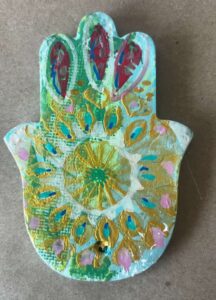
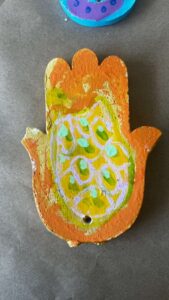
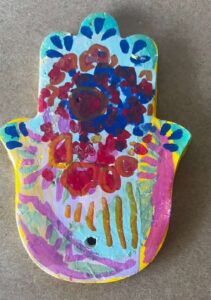
An artist’s practice sometimes extends across several materials. Looking at paintings alongside handmade objects offers another way to notice their approach to color, surface, and form.
Exploring Artist Designed Home Decor also helps you consider how different works might share a room. A small object and a painting need enough space for their individual details to remain visible.
Choose a connection through proportion, material, or one shared color. Avoid filling every nearby surface. A quieter arrangement makes it easier to appreciate the pieces you select.
How Should You Approach Art With Spiritual Meaning?
Begin with the meaning of the individual object and your own connection to it. Ask the maker about unfamiliar symbols rather than relying on appearance alone.
When considering Handmade Spiritual Art, distinguish the artist’s explanation from your personal interpretation. A piece might hold cultural, symbolic, or private significance for different owners.
Choose it because the work matters to you. Then consider where you would like to see it regularly. A personal corner, entrance, or shared room offers a different viewing experience.
What Should You Ask When Exploring Judaica?
The purpose of an object matters as much as its appearance. Ask whether a piece is decorative, symbolic, or intended for a particular religious use.
Exploring Authentic Handmade Judaica should include questions about materials, making, and intended function. If ceremonial suitability matters to your purchase, confirm it directly rather than assuming from a photograph.
For a gift, consider the recipient’s preferences and traditions. Ask about dimensions, packaging, and exchange terms. A meaningful object is a more thoughtful choice when it fits the recipient’s life.
What Details Deserve Attention in a Handmade Purchase?
Look closely at finishing, proportions, surface details, and construction. Ask for additional photographs if the available images leave important questions unanswered.
When reviewing Luxury Handmade Judaica, assess the actual object rather than relying on descriptive language. Find out what is handmade, which materials are used, and what care the piece requires.
Compare the complete purchase cost, including delivery and applicable taxes. Keep written information about the maker and materials with your receipt. Clear details support a confident decision.
How Do You Display Art Without Crowding a Room?
Start with one main piece and assess the space around it. Nearby furniture, shelves, lamps, and wall features all influence how the arrangement looks.
For Luxury Judaica Decor, give smaller objects a setting where viewers will notice them at close range. Confirm whether each piece is designed to hang, stand, or rest on a particular support.
For paintings, mark the proposed dimensions on the wall before purchasing. View the outline from your usual seating position and the entrance. This simple check helps reveal proportion problems early.
How Do You Choose Art Beyond a Decorating Trend?
Ask what you would enjoy seeing even if your furniture or wall color changed. Personal interest provides a useful direction when decorating trends feel distracting.
When exploring Contemporary Jewish Artwork, consider both the individual work and any cultural connection important to you. Let your response develop without expecting every piece to communicate in the same way.
Before deciding, confirm dimensions, condition, availability, delivery, and care. A purchase should feel emotionally right and practically clear.
What Questions Do Buyers Often Ask About Abstract Art?
Do You Need to Understand Abstract Art Before Buying It?
No. Begin with what interests you visually. Reading the artist’s statement adds context, but your response does not need to match someone else’s interpretation.
How Do You Judge Size When Shopping Online?
Check exact measurements, including any frame. Mark them on your wall and request a photograph showing the artwork beside an object of known size.
Should a Painting Match Your Room’s Colors?
Exact matching is unnecessary. Shared undertones or a considered contrast often create a comfortable relationship with existing furniture and finishes.
What Information Should Accompany an Original Work?
Request the artist’s name, title where applicable, medium, dimensions, and purchase receipt. Ask what additional documentation the artist provides.
Where Should You Begin Exploring Irit’s Work?
Browse Irit Arts, shortlist pieces that hold your attention, and contact the artist with questions about availability, dimensions, materials, and delivery.